
JingZhi Camera
In the ever-evolving world of workplace security, "Hidden Office Cameras" have become essential tools for many businesses. According to industry expert John Baker, “The right camera can unveil truths that enhance workplace integrity.” This statement highlights the importance of transparency in office environments. Such devices are discreet yet powerful, providing insights that can protect both employees and company assets.
As businesses navigate global sourcing, the demand for reliable surveillance grows. Hidden Office Cameras serve as guardians against potential threats and enhance productivity. With today's advanced technology, these cameras are smaller and more efficient than ever before. They can blend seamlessly into any office decor, ensuring confidentiality while maintaining security.
Yet, the use of these devices raises questions about privacy and trust. Companies must balance vigilance with respect for employee rights. Navigating this sensitive landscape is crucial, as improper usage might lead to unrest among staff. Therefore, understanding the responsible deployment of Hidden Office Cameras is vital for fostering a healthy work environment.
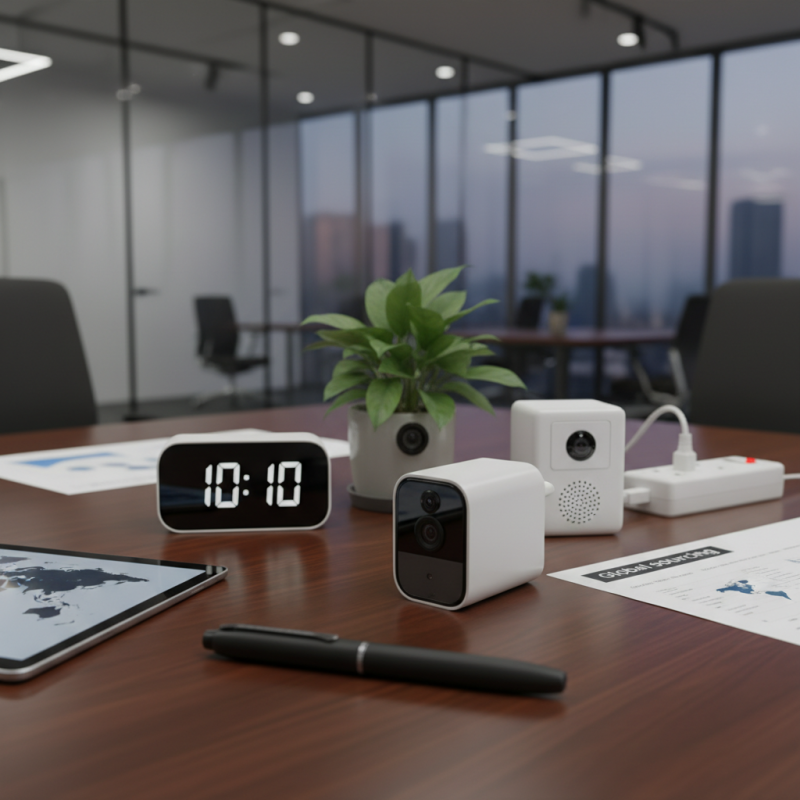
Hidden office cameras play a crucial role in global sourcing initiatives. They help monitor activities in the workplace, ensuring accountability among employees. These devices can deter dishonest behavior, fostering a culture of trust. In environments where outsourcing is common, every detail matters. A hidden camera can provide valuable insights into employee interactions and workflow efficiencies.
The importance of these cameras goes beyond security. They assist in compliance with company policies and industry regulations. Many organizations face challenges when managing remote teams across different regions. Hidden office cameras can bridge this gap, providing an objective view of operations. However, their use should be balanced with employee privacy concerns. Transparency about surveillance practices fosters a sense of safety among staff.
While hidden cameras may enhance operational performance, organizations must reflect on their ethical implications. Employees must feel secure
When choosing hidden office cameras for effective monitoring, several key features should be prioritized. First, consider the resolution. A camera with at least 1080p HD quality ensures clear visuals. According to industry reports, high-resolution footage is crucial for identifying details accurately. This can prevent misinterpretations during critical assessments.
Another significant feature is motion detection capability. Many modern cameras can send alerts when movement is detected. This proactive approach allows for real-time monitoring. Research indicates that offices using motion-detecting cameras report a 25% increase in security awareness among employees. This indicates that awareness can have a direct impact on workplace behavior.
Battery life and storage options also matter. Cameras with longer battery life offer convenience. Systems that allow cloud storage provide additional security for footage. However, it's essential to balance storage needs with compliance regulations around data retention. Reports show that data management issues often arise when companies overlook these aspects. Understanding these features is vital for making informed decisions that enhance workplace security.
As global sourcing continues to evolve, the use of office cameras is becoming increasingly prevalent. This trend is driven by the need for transparency, security, and improved communication. Companies are investing in hidden cameras to monitor work environments and ensure employee productivity. By 2025, the market for office cameras is expected to see significant growth, reflecting this rising demand.
More organizations are recognizing the benefits of these technologies. Enhanced oversight can lead to better workforce management. Yet, the implementation of hidden cameras raises ethical considerations. Employees must feel respected and not surveilled. Balancing security with privacy is crucial moving forward.
The rise in hidden office camera usage highlights a dual-edged sword. On one hand, organizations can safeguard their assets and enhance accountability. On the other hand, the fears of surveillance can create discomfort. Companies must navigate these challenges carefully to foster trust while leveraging technological advancements. The future of office cameras demands thoughtful integration into the workplace culture.
In today's competitive business environment, monitoring office spaces has become essential. Hidden office cameras offer discreet solutions for ensuring security and productivity. These devices blend seamlessly into the office decor. They can be mistaken for everyday objects, enhancing their effectiveness in surveillance without drawing attention.
When comparing top brands and models, several factors are crucial. Resolution quality is paramount. High resolution captures clear images, even in low light. Battery life also plays a crucial role. Some models boast extended usage periods, while others require frequent charging. Ease of installation varies significantly, with some cameras needing professional setup. Users often face the dilemma of choosing between convenience and performance.
Price points can differ widely among models. While some cost less, they may sacrifice essential features like remote access or cloud storage. Users should balance their budget with their specific needs. Choosing the best hidden office camera isn't always straightforward. Careful consideration of features is necessary to ensure the right fit for your office environment. Making the right choice can be challenging and warrants thoughtful reflection.
In today's workplace, hidden cameras can provide security and monitor productivity. However, there are vital legal considerations to keep in mind. Employees have a right to privacy, and laws vary by location. Always research your local regulations before implementing surveillance.
One essential tip is to inform employees about the use of cameras. Transparency builds trust. It can deter misconduct and shape workplace behavior. If employees are aware, they may feel more secure. Yet, this approach may also prompt questions and concerns about monitoring. Balancing security and privacy is challenging.
Consider the placement of cameras. Areas such as break rooms or private offices are often sensitive. Recording in these spaces may violate privacy expectations. Assess risks carefully. Document your policy and create a clear rationale for using hidden cameras. This not only protects you legally but also fosters a culture of respect.
: Hidden office cameras help monitor workplace activities and ensure employee accountability.
They can deter dishonest behavior and promote a culture of trust among employees.
They assist in adhering to company policies and industry regulations for better oversight.
Employees may feel uncomfortable if they perceive constant surveillance.
Balancing security needs with employee privacy is crucial to maintaining trust.
The demand for transparency and improved communication is driving their increased usage.
Resolution quality, battery life, and ease of installation are all important factors.
Yes, cheaper models may lack essential features like remote access or high resolution.
Fear of surveillance could create discomfort and impact overall job satisfaction.
Thoughtful integration into workplace culture is necessary for positive outcomes.
Hidden office cameras play a crucial role in global sourcing initiatives by ensuring effective monitoring and security within the workplace. Their importance is underscored by the growing trend of their usage, projected to increase significantly by 2025. When selecting hidden office cameras, it is vital to consider key features such as resolution, mobility, and remote access capabilities to enhance surveillance efficiency.
Additionally, a comparative analysis of top brands and models can help organizations identify the best options that suit their specific needs. However, it is essential to remain mindful of the legal considerations surrounding the deployment of these cameras to ensure compliance and protect employee privacy while leveraging the benefits of effective monitoring.
