In today's world, the use of Live Hidden Cameras is becoming increasingly common. These devices can offer valuable insights, but they also raise serious ethical and legal concerns. According to surveillance expert Dr. John Matthews, "Using Live Hidden Cameras comes with a great responsibility." His words remind us of the need for caution in this sensitive area.
Live Hidden Cameras can serve legitimate purposes, such as home security and monitoring elderly family members. However, users must always prioritize privacy and consent. It's crucial to recognize that not everyone may be comfortable with being recorded, even in public spaces. Reflecting on this aspect fosters deeper respect for individual rights.
Practicing ethical surveillance starts with understanding the limits of technology. Moreover, users should be informed about state laws regarding hidden cameras. Misuse can lead to severe consequences, both legally and personally. Therefore, every user should reflect on their intentions and ensure they are acting responsibly while using Live Hidden Cameras.
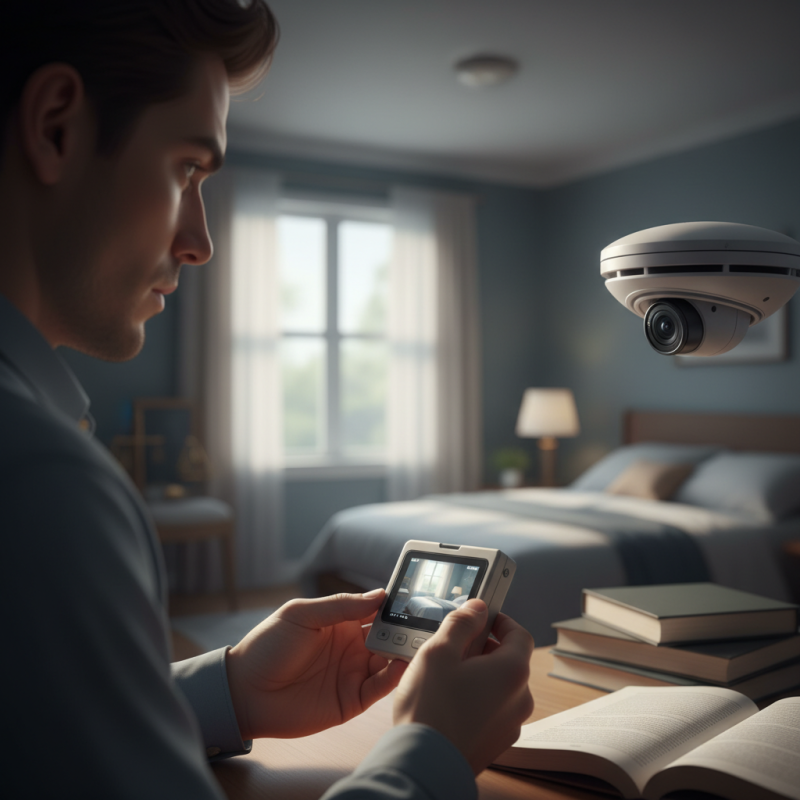
Best Practices for Selecting Hidden Cameras in Compliance with Laws
When selecting hidden cameras, it's crucial to understand local laws. Research the regulations that govern surveillance in your area. Many places have strict limits on where and how cameras can be used. For example, you may be prohibited from recording in private spaces without consent. Always check your state's specific laws before proceeding.
Consider the intended use of the camera. Will it be for security purposes or personal reasons? Make sure the camera’s functionality aligns with your needs. Opt for discreet models that blend into their environment, ensuring they do not draw attention. However, avoid cameras that raise ethical questions about privacy.
Think about the quality of the video. Higher resolution offers clearer images, which can be crucial in case of incidents. Additionally, storage options are worth considering. How long do you need to keep recordings? Reflect on your requirements here. Balancing functionality with ethical usage is vital in this situation.
Best Practices for Selecting Hidden Cameras in Compliance with Laws
Understanding the Legal Implications of Using Live Hidden Cameras
When considering the use of live hidden cameras, it’s crucial to understand the legal implications surrounding their deployment. Research indicates that 65% of individuals are unaware of their local laws regarding surveillance. In many regions, recording someone without consent can lead to severe legal consequences. This makes an understanding of the law essential for anyone considering using hidden cameras.
Privacy laws vary significantly by state and country. For instance, in some areas, consent is required from all parties being recorded. In contrast, others may allow recording as long as one party is aware. A 2022 survey by the Privacy Rights Clearinghouse found that up to 70% of respondents believe that hidden camera usage should be strictly controlled. These statistics highlight the diverse opinions and laws influencing the decision to use these devices.
While the technology may seem appealing for safety or security, the potential for misuse is significant. Improper usage can lead to violations that damage reputations and relationships. Ethical dilemmas often arise, making it paramount to weigh the benefits against the possibility of infringing on someone's rights. Familiarizing oneself with the local legal framework is a necessary step that cannot be overlooked in this complex area.
Techniques for Maintaining Privacy While Using Hidden Surveillance
Using live hidden cameras can raise significant privacy concerns. Maintaining anonymity while capturing footage is crucial for ethical surveillance. One effective technique is choosing discreet placement for the cameras. This can help to ensure that the camera is not easily detectable. High vantage points or unusual locations can enhance both your surveillance and privacy.
Consider the type of footage you want to capture. Choosing the right angle can make a difference. Avoid common areas where individuals expect privacy. This extends to places like bathrooms or changing rooms. Thoughtful consideration of the environment is essential to navigate ethical dilemmas. Sometimes, people may express discomfort over being monitored, leading to potential fallout.
It's also important to review your recordings regularly. Ensure sensitive personal data does not leak into the public domain. Establish strict access control for your footage to prevent unauthorized viewing. Regularly assess the need for surveillance. Reflect on whether the benefits outweigh the ethical concerns. Just because you can, doesn’t mean you should. It’s a balance that requires constant reflection.
Evaluating Camera Quality: Resolution and Audio Capture for Effectiveness
When using live hidden cameras, focusing on camera quality is crucial. High resolution enhances clarity, making it easier to capture details. A camera with at least 1080p resolution is often recommended. This ensures that facial features and backgrounds are well-defined. You want to avoid grainy images, as they can blur important visuals.
Audio capture is equally significant. Clear sound can provide context to visual recordings. A hidden camera with built-in microphones can be the best choice for effective monitoring. Make sure the microphone can pick up voices from a reasonable distance. Poor audio can diminish the value of even the best video footage.
Consider the environment where the camera will be used. Lighting conditions can affect image quality. Cameras may struggle in low-light areas. This is something to reflect on during setup. Furthermore, recognize that technical issues may arise. Testing your equipment before the actual use is essential. This helps ensure everything works as intended. Keep in mind the balance between functionality and safety for effective monitoring.
Best Tips for Using Live Hidden Cameras Safely - Evaluating Camera Quality: Resolution and Audio Capture for Effectiveness
| Camera Type |
Resolution |
Audio Capture |
Battery Life |
Price Range |
| Mini Spy Camera |
1080p HD |
Yes |
2 hours |
$50 - $70 |
| Wireless Nanny Cam |
720p |
Yes |
5 hours |
$80 - $120 |
| Hidden Wall Clock Camera |
1080p HD |
No |
8 hours |
$120 - $150 |
| Smoke Detector Camera |
1080p HD |
Yes |
10 hours |
$150 - $200 |
| Button Camera |
720p |
No |
1 hour |
$30 - $50 |
Tips for Safe Installation and Management of Hidden Cameras in Homes
When considering hidden cameras for your home, safety and effectiveness should guide your installation. Proper management of these devices is crucial for both privacy and security. According to a 2022 report by the Security Industry Association, around 30% of households now use some form of surveillance technology. Understanding how to install and manage these devices can significantly influence their effectiveness.
Tip 1: Choose placements carefully. Avoid areas where individuals expect privacy, such as bathrooms or bedrooms. Placement in common areas, like living rooms or hallways, is often more appropriate. This not only respects privacy but also ensures clear visibility for surveillance purposes.
Tip 2: Utilize encryption technology. A 2021 study indicated that 70% of home surveillance devices are susceptible to hacking. Ensure your cameras are equipped with strong encryption to protect your data. Regularly update passwords and firmware to fortify your security further.
Tip 3: Monitor usage closely. Once installed, regularly review footage and camera functionality. According to industry experts, 25% of users neglect regular maintenance, which can lead to missed events or technical failures. Keeping an eye on your system ensures that it remains effective and reliable.
FAQS
: Understanding local laws is crucial. Some areas prohibit recording in private spaces without consent. Always check regulations before proceeding.
Consider the camera's intended use. Choose models that suit your purpose, whether for security or personal reasons.
Higher resolution cameras provide clearer images. This clarity is important, especially during incidents.
Think about your storage options. Reflect on how long you need the recordings to serve your purposes.
Place cameras in common areas, like living rooms or hallways. Avoid areas where privacy is expected, like bathrooms.
Encryption protects your data from potential hacking. Regularly updating passwords and firmware enhances security.
Regularly monitor footage and functionality. Neglecting maintenance can lead to missed events or technical failures.
Be aware of privacy concerns. Avoid cameras that may raise ethical questions about personal space and consent.
Conclusion
The article "Best Tips for Using Live Hidden Cameras Safely" highlights crucial considerations for individuals looking to integrate hidden surveillance into their environments. It emphasizes the importance of selecting live hidden cameras while adhering to legal standards, ensuring that users understand the legal implications associated with their use. Moreover, techniques for maintaining privacy during the surveillance process are discussed, highlighting the balance between security and personal rights.
Additionally, the article addresses the significance of camera quality, focusing on resolution and audio capture to ensure effective monitoring. Safe installation and management practices for hidden cameras in homes are also explored, providing readers with practical tips to operate their surveillance systems responsibly and discreetly. By following these guidelines, users can enhance their security measures while respecting the rights of others.
 JingZhi Camera
