In an age where privacy is increasingly threatened, the search for hidden cameras has intensified. The right "Device To Scan For Hidden Cameras" can make a significant difference in safeguarding personal space. John Smith, a leading expert in surveillance technology, once remarked, "Awareness is the first step toward protection." This highlights the essential role such devices play in a world filled with covert surveillance.
With technology advancing rapidly, hidden cameras can now be small enough to go unnoticed. A reliable device is critical for identifying these potential intrusions. Many people wonder if they can even trust their own surroundings. The idea that someone could be watching without consent is alarming.
The selection of devices on the market can be overwhelming. Features vary significantly, from sensitivity to detection range. Individuals must weigh their needs carefully. While some may prefer compact models for discreet usage, others may need robust systems for comprehensive coverage. Each choice comes with its own set of challenges and benefits. It's vital to engage in thorough research to find a device that suits specific requirements and offers real security.
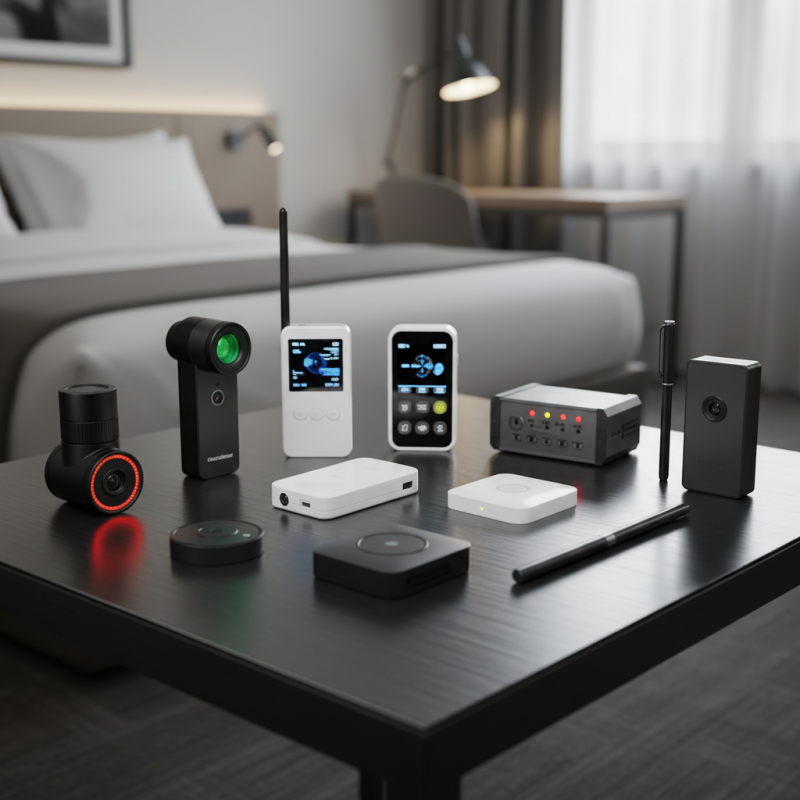
Overview of Hidden Cameras and Their Common Locations
Hidden cameras can be found in unexpected places. Often they are used for surveillance in hotels, restrooms, and homes. Understanding where these devices are commonly located helps keep your privacy intact. Typical spots for hidden cameras include mess halls, airbnbs, and rental spaces. These devices can easily blend into their surroundings, making detection challenging.
When searching for hidden cameras, pay attention to unusual objects. For example, smoke detectors, alarm clocks, or picture frames could hide cameras. Look for tiny lenses or reflective surfaces. Sweep a room systematically. Ensure to check corners, ceilings, and electrical outlets. A careful observation can reveal hidden recording devices.
Here are a couple of practical tips. Use your smartphone’s flashlight to locate lenses that might reflect light. Walk around the space to see if any décor looks out of place. Remember, while finding hidden cameras is crucial, it is equally important to respect the privacy of others. Always act within ethical boundaries.
Importance of Scanning for Hidden Cameras in Various Environments
In today's world, scanning for hidden cameras has become increasingly important. Many environments, including hotels, Airbnbs, and offices, can harbor these intrusive devices. A study by Privacy Rights Clearinghouse found that over 40% of travelers are concerned about hidden surveillance. This concern highlights the need for reliable scanning methods.
Scenarios like vacation rentals often pose risks. Many guests may not realize that hidden cameras can invade their privacy. According to research by the Privacy Foundation, up to 12% of rental properties may have undisclosed surveillance. It's vital to educate the public about potential threats.
Tips: Always check for unusual angles and signs of camera placement. Look for tiny, reflective lenses. Also, remember to inspect smoke detectors and other common spots.
Implementing scanning devices can enhance safety. You don’t have to be a tech expert to use them. However, stay informed on their limitations. Often, these devices may miss well-camouflaged cameras. This underlines the necessity of combining technology with personal vigilance. Regularly educate yourself about new scanning techniques and remain proactive.
Top Features to Look for in Devices for Detecting Hidden Cameras
When looking for devices to detect hidden cameras, key features are crucial. Sensitivity is a must. The device should detect wired and wireless signals effectively, catching both hardwired and wireless cameras. This reduces the chances of missing any hidden equipment that could invade privacy.
Portability adds to usability. Devices that fit comfortably in your pocket or can be easily carried are advantageous. They allow for discreet scanning in various environments. Also, consider a model with a long battery life. Frequent charging can hinder your ability to scan when needed.
Tips: Regularly update your device to enhance its detection capabilities. Test your device before relying on it extensively. Use it in different areas to learn its limits. This experience can guide you in effectively safeguarding your privacy. Remember, not all devices are perfect. Some may struggle with certain frequencies, making it a challenge to detect all hidden cameras. Awareness of these limitations is essential.
Top 10 Devices for Scanning Hidden Cameras Available Worldwide
In today’s world, privacy is more important than ever. With the rise of hidden cameras, scanning devices have become essential. You need effective tools to locate these cameras. Here are some top devices for scanning hidden cameras you can consider.
One popular option is RF detectors. These devices pick up radio frequencies emitted by cameras. They're small, portable, and easy to use. Simply turn them on, and they can help you scan a room quickly. When scanning, pay close attention to the signals. Sometimes, false positives occur due to other electronic devices nearby. So, approach your findings with caution.
Another reliable choice is infrared detectors. They help you see infrared light, which many cameras use. These detectors can reveal threats that are otherwise invisible to the naked eye. Always test the device in various lighting conditions. The performance may vary, and you should adjust your approach accordingly.
Avoid solely relying on one type of device. It's wise to combine multiple scanners for better accuracy. Also, familiarize yourself with different camera types. Knowing where they are commonly installed can streamline your search. Always trust your instincts, but ensure you gather enough evidence before drawing conclusions.
Top 10 Devices for Scanning Hidden Cameras
This chart represents the effectiveness ratings of various devices designed to scan for hidden cameras. Each device is rated on a scale from 1 to 10 based on user feedback and performance in the field.
Tips for Effective Use of Hidden Camera Detection Devices
Using hidden camera detection devices effectively requires a methodical approach. Choose a location for your scan. This could be a hotel room, rental property, or private space. Start by turning off all electronic devices in the area. This reduces interference and helps you focus on potential threats.
When scanning, keep the device close to your body. Move slowly and methodically, sweeping the detection device across surfaces. Pay special attention to places like smoke detectors, ceiling fixtures, or picture frames. These spots are often where hidden cameras are concealed. Be vigilant about reflections as well; a glint from a lens can reveal a camera's location.
Finally, practice using the device regularly. Familiarity will improve your scanning efficiency. Remember, the key to effective detection is patience and a keen eye. Sometimes, what seems obvious is not a camera at all, but vigilance can uncover hidden risks. Don't overlook the importance of staying educated on the latest technologies. Awareness is your strongest tool.
FAQS
: Scanning is crucial due to privacy concerns. Many environments, like hotels and offices, may have hidden cameras.
Hidden cameras can be in vacation rentals, offices, and hotels. Guests are often unaware of these surveillance devices.
Research indicates that up to 12% of rental properties might have surveillance without guest knowledge.
Look for unusual angles and tiny reflective lenses. Check smoke detectors and other common areas too.
Yes, many scanning devices are easy to use. You don’t need to be a tech expert, but knowledge helps.
Yes, well-camouflaged cameras can evade detection. Combining technology with personal vigilance is essential.
RF detectors are popular. They detect radio frequencies from cameras and are portable for quick scanning.
Infrared detectors reveal invisible infrared light used by some cameras. Test them in different lighting conditions for accuracy.
It's better to use multiple devices for greater accuracy. This helps reduce false findings and improves your search.
Trust your instincts, but gather evidence first. Be cautious before drawing conclusions about potential surveillance.
Conclusion
Hidden cameras are increasingly prevalent in various environments, making the ability to effectively scan for them essential for personal privacy and security. This article outlines the importance of being aware of common locations where these devices may be found, such as hotels, public restrooms, and even workplaces.
When choosing a device to scan for hidden cameras, it is crucial to consider features like detection range, sensitivity, and ease of use. The article provides a comprehensive list of the top 10 devices available worldwide, which cater to different needs and preferences. Additionally, it offers practical tips for effectively utilizing these detection devices, ensuring that users can protect their privacy against unwanted surveillance.
 JingZhi Camera
